
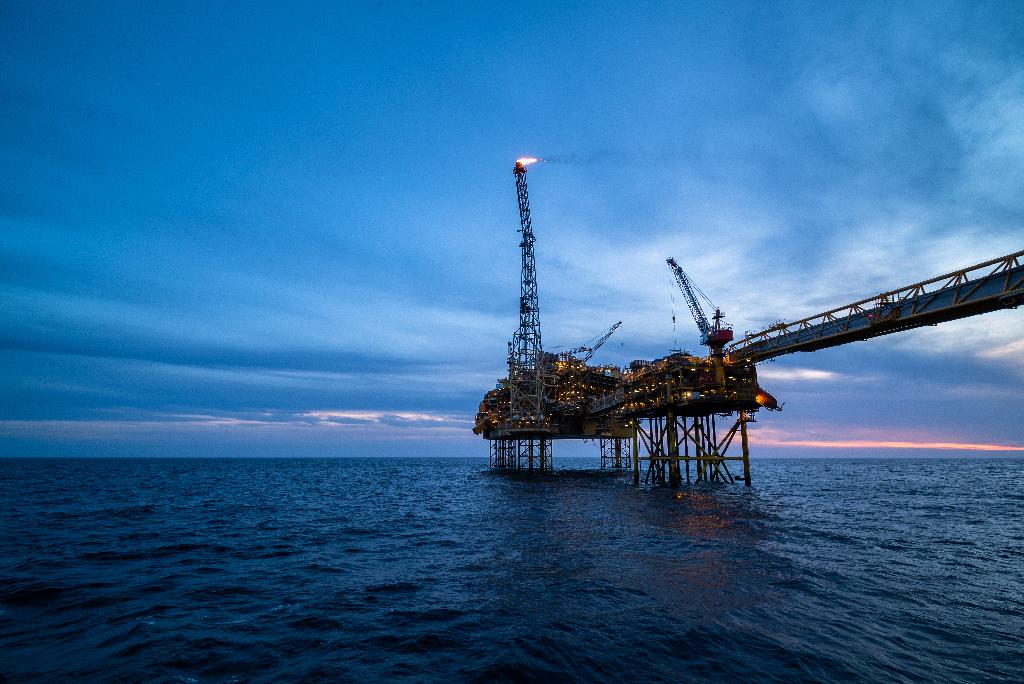
2019 may well turn out to be the beginning of the super basin era. While oil and gas players juggle managing changing geological and socio-political factors that condition their industry, super basins are emerging as a less risky, revenue-generating enterprise-- making them particularly attractive for smaller cap companies.
So, what makes these basins super?
According to IHS Markit, as opposed to rank frontier exploration, super basins are well-established, having already produced at least five billion barrels of oil while still holding the potential to produce an additional five billion barrels.
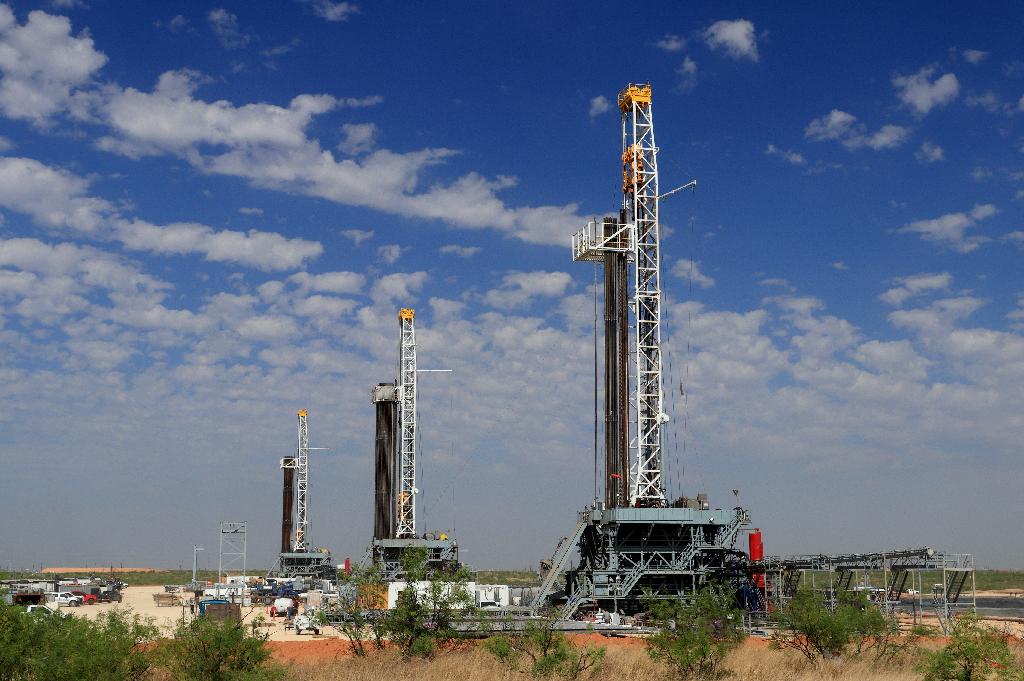
1. Permian Basin, USA
The Permian Basin is arguably the most famous super basin in the world, and acted as a catalyst for the renewed interest in their development. An onshore basin, the Permian is enjoying historic levels of output.
According to IHS Markit, the basin holds 60 to 70 billion barrels of yet-to-be pumped crude oil-- enough to supply every refinery in the U.S for 12 years-- that at today’s prices be valued at around $3.3 trillion.
Nostra Terra Oil & Gas (NTOG)
Just last month, the exploration and production company announced a 276% increase in its proved and probable oil reserves, up to nearly 2.5 million barrels of oil, which they credited as “primarily due to drilling and development of existing Permian Basin assets during H1 2018.”
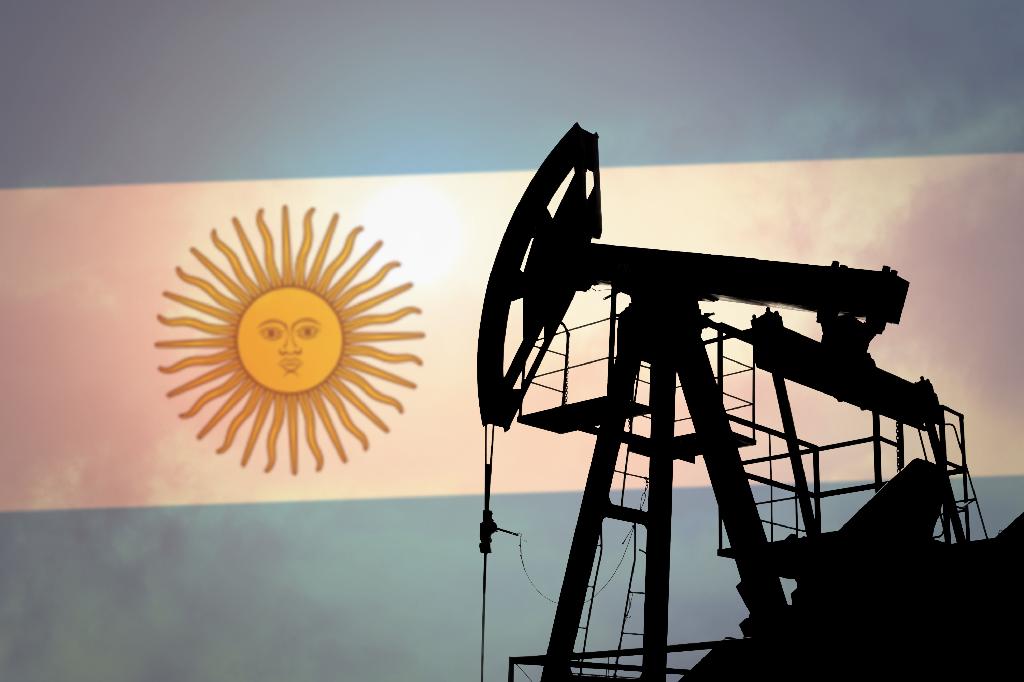
2. Neuquén Basin, Argentina
According to research firm Wood Mackenzie, there have been more than 588 vertical and horizontal shale wells drilled and completed in the Vaca Muerta since 2010, and over $6 billion in commitments from operators.
President Energy (PPC)
Since expanding into the region in 2017, President Energy has put 19 oil wells and 3 gas wells into production their Neuquén Basin projects, Puesto Flores and Estancia Vieja.
3. Northern North Sea Basin
Nowhere is the increasing role played by smaller oil and gas companies in super basins more evident than the North Sea. Ten years ago, almost two-thirds of the activity in the region came at the hands of multinational majors-- today, that number has dropped to around half.
A report from the Oil and Gas Authority (OGA) revealed 2018 saw 25 million more barrels of oil and gas produced compared to the previous year.
i3 Energy (I3E)
A North Sea focused oil and gas company, i3 Energy’s core asset is the Liberator oil field, which has an estimated oil-in-place of around 314 million barrels.
Cluff Natural Resources (CLNR)
When Cluff entered a binding, conditional farm out agreement with Shell U.K. Limited for its North Sea Licences P2252 and P2437, it experienced an impressive 75% surge in share prices.
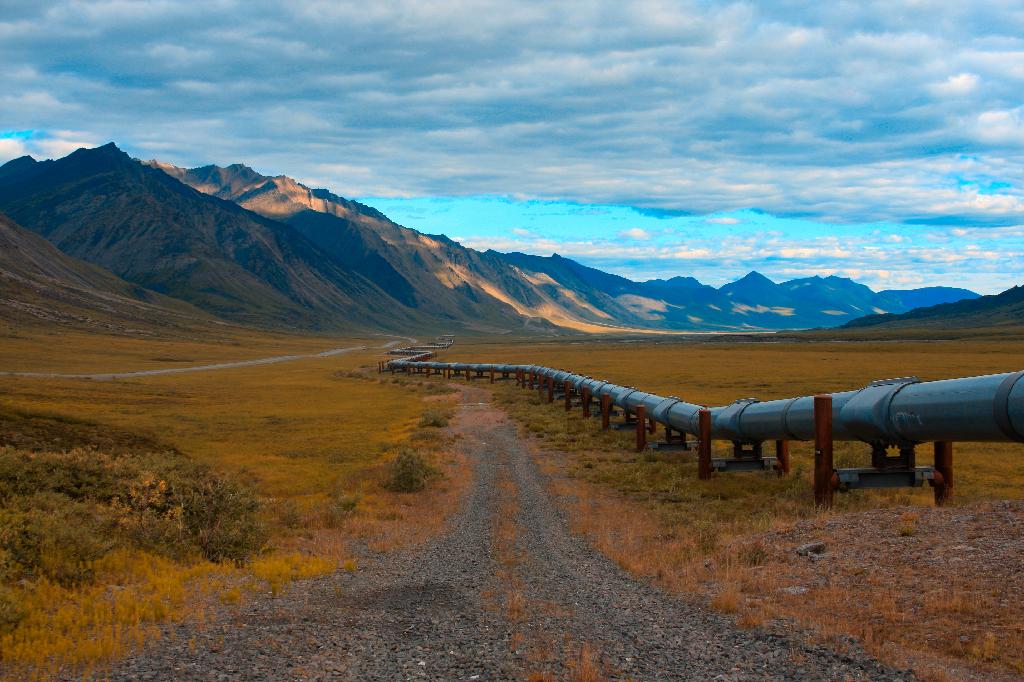
4. North Slope Basin, Alaska, USA
Over the past couple of years, discoveries by the Repsol/Armstrong Joint Venture, ConoccoPhillips and farm-in by Australian oil major Oil Search have revitalized Alaska’s North Slope.
Today, IHS Markit analysts are reporting some 28 billion barrels of crude oil remain have yet to be extracted from the prolific area.
Red Emperor (RMP)
Australian oil and gas exploration company, Red Emperor spudded their Winx-1 well last month and have continued with operations in the North Slope basin.
The well has a target gross best estimate prospective oil resource of 400m barrels of oil across multiple stacked objectives.
88 Energy (88E)
88 Energy is also part of the Winx-1 joint venture team.
The company has reported a significant uptick in outside interest as their work in the region continues. In 2018, ConocoPhilips acquired 3D seismic for acreage just 15 miles west of 88 Energy’s Project Icewine in the area.
5. Walvis Basin, Namibia
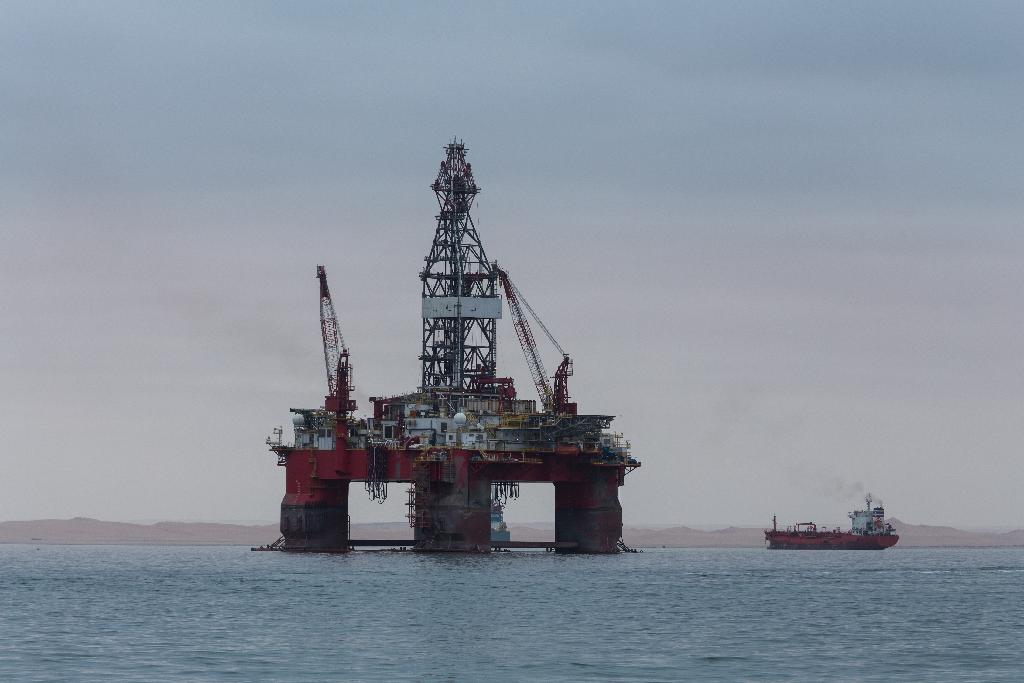
The strengthened, and consistently growing, interest in Namibia as an oil and gas region is representative of all the larger trends discussed around super basins.
Interestingly, exploration in Namibia was spurred by the idea that as the southern African country once fit together with Brazil, as pieces of the Pangaea puzzle, the two countries were likely to have similar geological features. And, importantly, the pre-salt fields identified in Brazil had attracted a lot of investment.
In 2017, Total took a 70% stake in an offshore Namibian licence; just this summer ExxonMobil expanded its presence in the country through its second acquisition-- a 30% stake in a petroleum exploration licence in the Walvis basin.
Eco (Atlantic) Oil & Gas (ECO)
Eco is the majority stakeholder and operator of no less than four prospective licence blocks in the Walvis Basin; Sharon, Cooper, Guy and Tamar. The company estimates that 21.5 billion barrels of prospective resources could be held within this licence area.
Tower Resources (TRP)
In 2012, Spanish oil major Repsol bought a 44% stake in an offshore licence in the Walvis basin. The project is in partnership with Tower Resources, a first mover project in the country dating back to in 2005.
~~~
Interest in moving in on a super basin continues to grow, yet the importance of doing so at the right time cannot be overstated. Many oil companies that came too late to the East African oil and gas boom, or to the re-emergence of the Permian basin do not want to repeat their mistake. Today, trying to buy into a block in successful basins like Tanzania or Texas is incredibly expensive and complex. Carving out a place, at the right time and the right basin, offers companies, especially smaller caps, a chance to save money and time on infrastructure and testing.
So, for now, the companies listed above can at least be assured that they didn't miss their opportunity.