
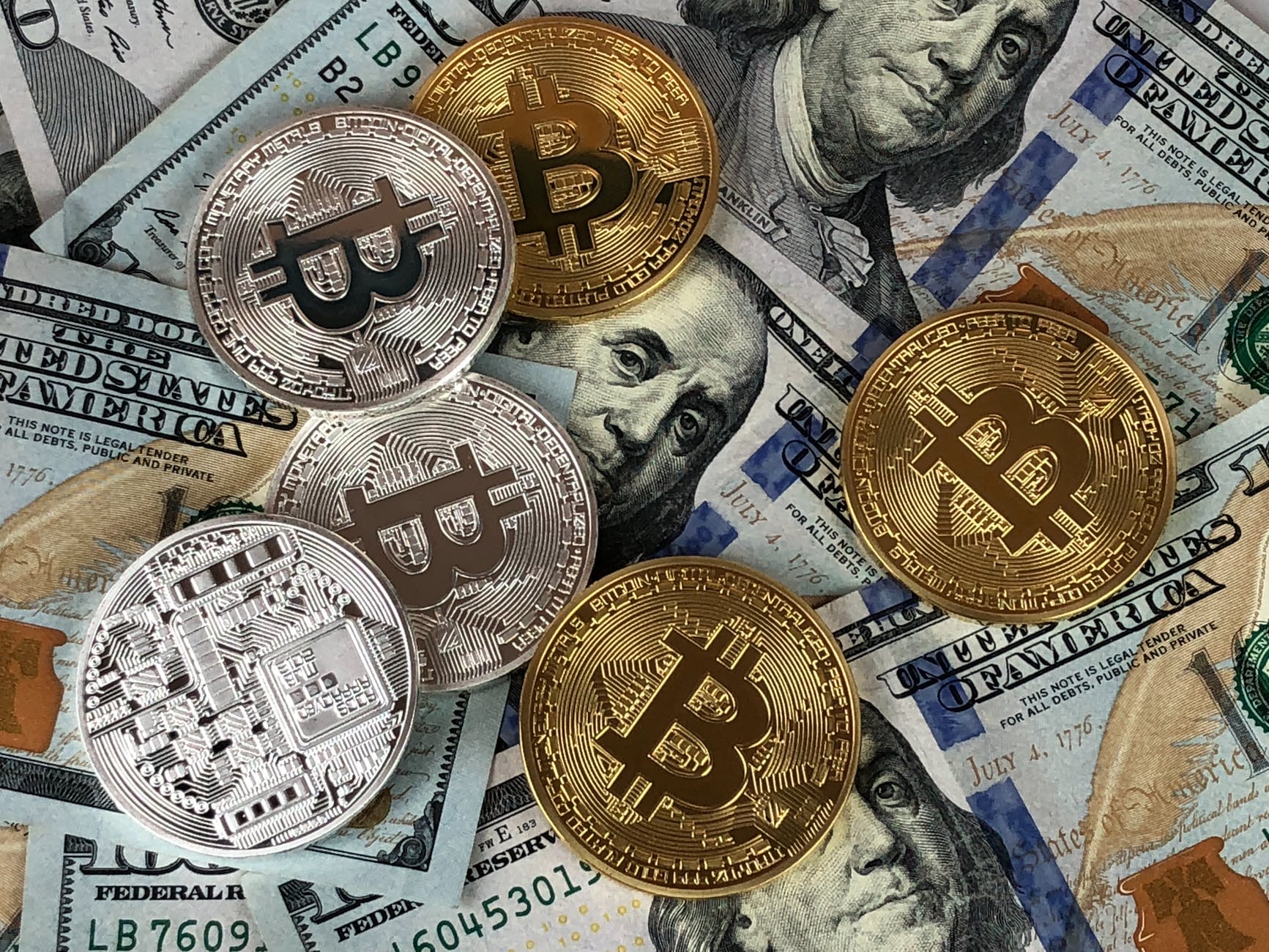
Volatility is a trademark of cryptocurrency. It’s part of what enabled the innovative digital tokens, such as Bitcoin and Ethereum, to enjoy the wild market popularity they have garnered in recent years. 2017 saw cryptocurrencies experience a significantly upward volatility trend; last week, instead, hit the cryptomarket with a downward jolt that had some tokens falling more than 10%.
The cryptomarket dip had one exception-- stablecoins.
What are Stablecoins?
Stablecoins are digital tokens, precisely like cryptocurrencies, but they are pegged to actual assets such as fiat currency or gold. The first true stablecoin, Tether, for example, is pegged to the USD while Petro, Venezuela’s stablecoin effort, is fixed to the price of oil.
These reserve-backed stablecoins operate similarly to paper money back when it was tied to the gold standard. So, a stablecoin essentially transforms dollars into a token by exchanging them for a stablecoin and then depositing those dollars in a bank. The dollars remain in the bank until someone wants to redeem the stablecoin for them.
At the heart of stablecoin’s price stability is this confidence that you can redeem them.
The sort of price volatility displayed last week remains a large barrier for some to enter, let alone more fully adopt, cryptocurrencies. So, while cryptocurrencies have seen a surge in market confidence, they remain volatile enough to be considered and handled as speculative trading assets rather than a regular form of payment.
Yet, not only were stablecoins unaffected by last week’s crypto price drop, but some, like USDC or TUSD, even experienced a more than 200% increase in 24-hour total trading volume.

Stablecoins have emerged as a response to the desire to partake in the cryptomarket and enjoy the benefits of the digital tokens, such as ease and low cost of transactions, without being at the mercy of unpredictable price fluctuations.
This is their true value-- sharing in the benefits of the crypto world while maintaining confidence in price stability and ability to redeem tokens for traditional assets at the price peg. Essentially, stablecoins offer access to a crypto ecosystem built on the stability and endurance of the existing financial system; being collateralised allows stablecoins to behave more like traditional full-reserve banking where an institution holds the equivalent to what it lends.
Stablecoins are not only advantageous because they mitigate the challenge of price fragility, they are also more workable as a currency as they can be used in both short-term payments and as collateral in long-term investments, for which other cryptocurrencies are not usually ideal.
Stablecoins Moving Forward
And they are picking up steam. Crypto wallet provider Blockchain released a report recently that found the number of stablecoins has jumped from a handful of projects to nearly 60 in the past 18 months, with a dozen more expected to launch in the near future. Starting November 26th, Ohio will accept Bitcoin as payment for certain kinds of taxes; this will make the state the first in the US and one of the first governments in the world to take cryptocurrency.
The Bank of Tokyo-Mitsubishi UFJ, consistently ranked in the world’s top five largest banks, is reportedly looking to trial its in-house cryptocurrency next year.
The bank’s digital token would allow retail customers to purchase items in MUFG coins, where each coin is equivalent to, and redeemable for, one yen. Confidence in purchasing power is a useful edge as many investors in traditional cryptocurrencies often do not even spend their coins for fear of missing out on a large upward tick in prices.
But do not call stablecoins a crypto cure-all. Over-hype can be the death of innovative projects such as cryptocurrencies and stablecoins, and blind use can really damage consumers. Moreover, not all stablecoin projects, especially Tether, have been as transparent with exactly how their coin is pegged to a traditional asset so it essential to do research into the particular project before participating.
Yet, with research in hand, stablecoins may provide the right opportunity for a new user to explore the world of cryptocurrencies.
Find out more about the world of cryptocurrency with our newest Crypto Watch digital magazine.
