

Cavendish has highlighted a potentially valuable new sales pathway for material generated as a by-product of Blencowe Resources ’ planned USPG (Uncoated Spherical Purified Graphite) production at the Orom-Cross graphite project in Uganda.
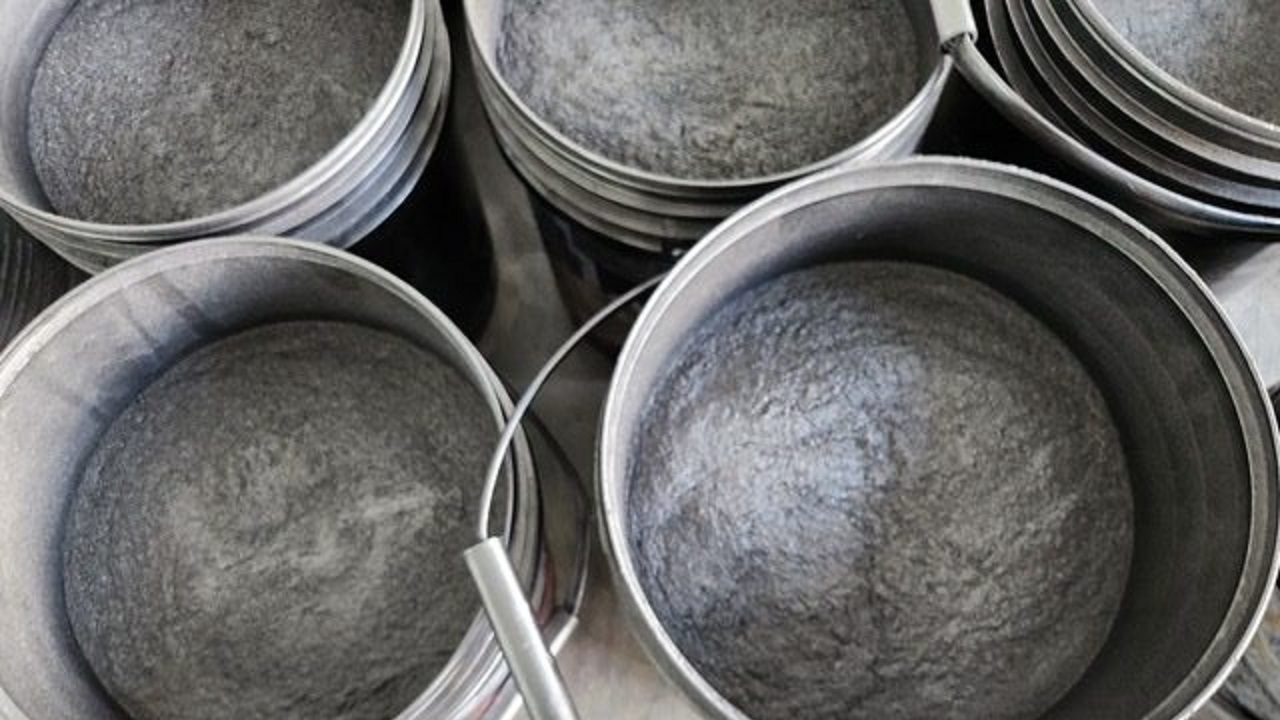
The comments follow Blencowe’s latest battery testing results, which showed that spheroidisation rejects from the planned USPG beneficiation process can be converted into high-surface-area expanded delaminated graphite and used as a performance-enhancing additive in advanced lead-acid batteries.
Cavendish said work with US graphite specialists Apollo Energy Systems and American Energy Technologies (AETC) provides an additional high-value pathway for what would otherwise be regarded as waste from USPG production.
The broker highlighted qualification work in which Orom-Cross-derived material was successfully tested in valve-regulated advanced lead-acid batteries, with the graphite shown to enhance high-rate partial-state-of-charge performance. Potential applications include start-stop systems, grid energy storage and other specialist battery markets.
Importantly, the opportunity relates to a substantial proportion of planned USPG output. Blencowe has said spheroidisation rejects could account for about 30% of the end product from its proposed beneficiation facility, meaning that finding a higher-value market for the material could improve overall utilisation and economics of the downstream operation.
Cavendish also noted the ongoing military battery programme involving Apollo, AETC and Blencowe. The partners are developing a demonstration battery designed to meet the US Defence Logistics Agency’s 4HN high-performance military specification. Subject to successful completion, the parties plan to establish a US pilot production line targeting 100 lead-acid cells per month.
The broker’s assessment comes against a broader backdrop of efforts to develop non-Chinese graphite supply chains, with Orom-Cross offering Blencowe exposure to multiple higher-value markets rather than relying solely on conventional graphite concentrate sales.
Blencowe’s updated DFS envisages a staged development, with the initial phase targeting up to 20,000 tonnes per annum of concentrate, followed by expansion and downstream production of USPG. The updated model reported an NPV of US$1.254 billion without an increase in capital expenditure.
View from Vox
The interesting part of Cavendish’s note is that the “waste” from USPG production may itself become a saleable, higher-value product. That adds another layer of optionality to Orom-Cross, particularly if the military and specialist battery programmes progress from testing into commercial qualification and offtake.