
Below are the key morning headlines from today’s papers, featuring the Financial Times, The Times, The Telegraph, The Daily Mail & more - see the full Press section here.
Faroe Petroleum scrambles to respond after DNO tables £600m hostile bid. Faroe Petroleum (FPM) shares surged by more than a quarter yesterday after the North Sea oil producer received an unsolicited takeover bid from its largest investor DNO. The Norwegian oil giant, which already owns 28% of Faroe, is offering 152p a share cash, valuing the Aim-listed company at £608m. News of the bid lifted shares as high as 158p, as investors bet on DNO returning with a sweetened offer. However, Faroe management led by chief executive Graham Stewart, hit back at the offer. They labelled it “opportunistic” and said it “substantially undervalued” the business, advising shareholders to take no action.
Doubts grow over break-up of GKN: £177m wiped off Melrose Industries (MRO) amid takeover jitters. Around £177m was wiped off the value of Melrose after reports its takeover of GKN may not be going to plan. Melrose took over the engineering group in a controversial £8 billion hostile deal earlier this year, promising to make the business more efficient. The company specialises in reviving the fortunes of underperforming industrial firms, but critics believe that by taking on GKN it has bitten off more than it can chew.
Vectura shares slump on failure of asthma drug trial. Pharma company Vectura Group (VEC) has taken a £40m hit after one of its clinical trials in asthma failed at the final hurdle. The respiratory specialist was testing whether a steroid called budesonide was more effective in helping people with severe asthma when administered through its smart nebuliser, a machine that helps patients breathe in medicine as a mist. The results from the trial showed the drug/device combination, called VR475, did not improve symptoms compared with both a placebo and those patients taking the steroid as a pill or in a standard inhaler. Vectura has decided to ditch the programme and will take a £40m hit on its pre-tax profits as a result.
Rio Tinto offloads stake in uranium mine to China as it streamlines portfolio. Rio Tinto (RIO) has agreed to sell its share of a giant uranium mine in Namibia to China as it continues to slim down its portfolio of mines. The FTSE 100 miner struck a deal with China National Uranium Corporation to offload its 68.7% stake in Rössing Uranium Limited. The Rossing uranium mine is one of the largest open pit uranium mines in the world producing around 3% of global supply. The company recently reported that production at Rossing grew 31% in the third quarter to September compared to the same period the year before.
East London-based Cake Box Holdings (CBOX) sees sales jump as retailer keeps opening shops despite high street gloom. Cake Box, an East London firm which makes egg-free, personalised spongy cakes, has bucked the high street gloom with growing sales and profits as it keeps opening up shops. In its first financial update since going public last year, Cake Box said revenues rose 44% to £8.3million in the six months to the end of September, driven by a ‘record’ number of store openings. Like-for-like sales rose 4.4%, while online sales rose 86% to £1.99million.
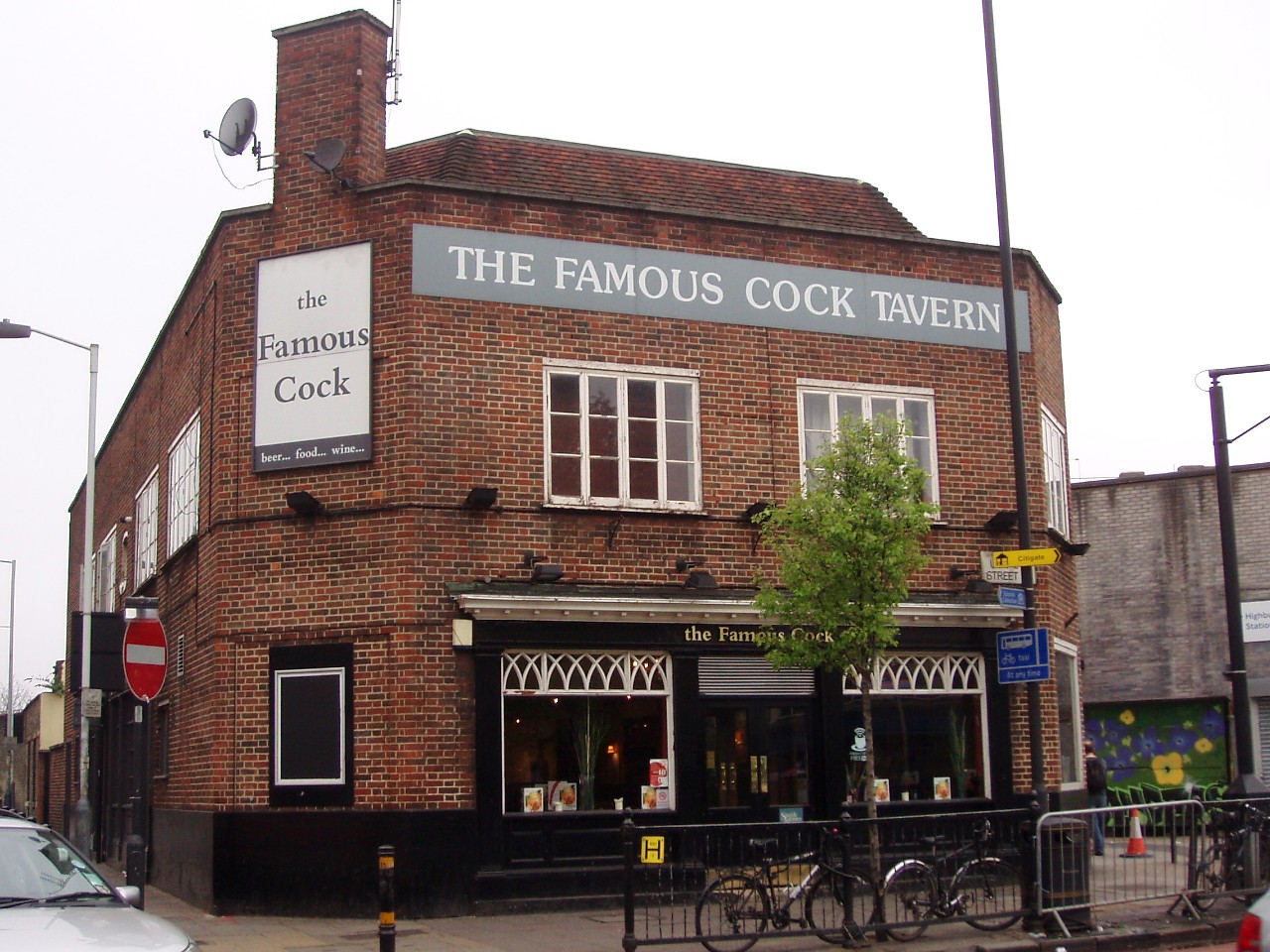
Death of the local: Almost half of small pubs have disappeared. Britain is facing the death of the local boozer after official statistics revealed the alarming rate at which small pubs are closing. The number of smaller establishments across the UK has crashed since 2001 – from 38,830 to 22,840 – a decline of 41.2%. Meanwhile, figures from the Office for National Statistics (ONS) released on Monday found larger pubs are filling the void left from locals shutting up shop. Over the last 17 years, the number of pubs with 10 or more employees have increased by 16.9%, from 13,670 to 15,975.
Europe’s first bio-energy carbon capture project kicks off at UK’s Drax plant. Britain’s first carbon capture project has kicked off at the Drax Group (DRX) renewable energy plant in North Yorkshire, with the aim of retrieving one tonne of CO2 a day from the gases produced by the country’s biggest power station. The pilot programme, which is also a first for Europe, is costing Drax £400,000. It will run for six months in collaboration with University of Leeds spin-out C-Capture, which has developed the technology to isolate carbon gases. Will Gardiner, chief executive of Drax Group, said: “If this project is successful, it could enable Drax to become the world’s first carbon negative power station – something many would never have dreamed possible a decade ago.”
Polar Capital’s funds fell by £1 billion in October as investors dumped shares in technology giants such as Amazon and Google. The British fund manager, which has a high exposure to the American technology sector, said yesterday that funds under management had fallen to £13.6 billion by the end of October, from £14.7 billion a month earlier. Polar Capital Holdings (POLR) made pre-tax profits of £27.3 million in the six months to September 30, compared with £11.8 million in the same period last year. It will raise its interim dividend in January by 2p to 8p.
Liberum Capital could become the latest City broker to lose its independence as an Australian investment bank eyes a takeover that could value the company at £100 million. Macquarie has explored buying Liberum as more regulation and a slowdown in dealmaking have put pressure on brokers to merge to help to compete in a tough market. Financial News, which first reported the approach, said that Macquarie was keen to strengthen its London-based equities business. Liberum has about 40 analysts, while Macquarie has nearer 30. In a memo to staff seen by The Times, Shane Le Prevost, chief executive of Liberum, denied that there would be an imminent sale. “In the last 12 months we have received a number of approaches. We are not in any current discussions and believe that we have a significant opportunity to grow our business organically,” he wrote.
Lamprell (LAM) shares rose 5¼p to 66p after it said that it would work on Saudi Aramco’s $3 billion-per-year offshore investment programme. Alongside Boskalis, a Dutch marine contractor, the Middle East-focused oil services business will focus on constructing, procuring and engineering offshore structures for Aramco. Shares in Boskalis, which will transport and install the structures, barely moved. For Lamprell, though, it was welcome news after a tough few months. The company has endured spiralling costs linked with the East Anglia One offshore wind farm project and suffered a pre-tax loss of $21.9 million in the six months to June 30. Yesterday its executives hailed a “very important milestone” for the company, which at its peak employs more than 10,000 people.
