
Below are the key headlines from today’s updated papers, featuring the Financial Times, The Times, The Telegraph, The Daily Mail & more - see the full Press section here.
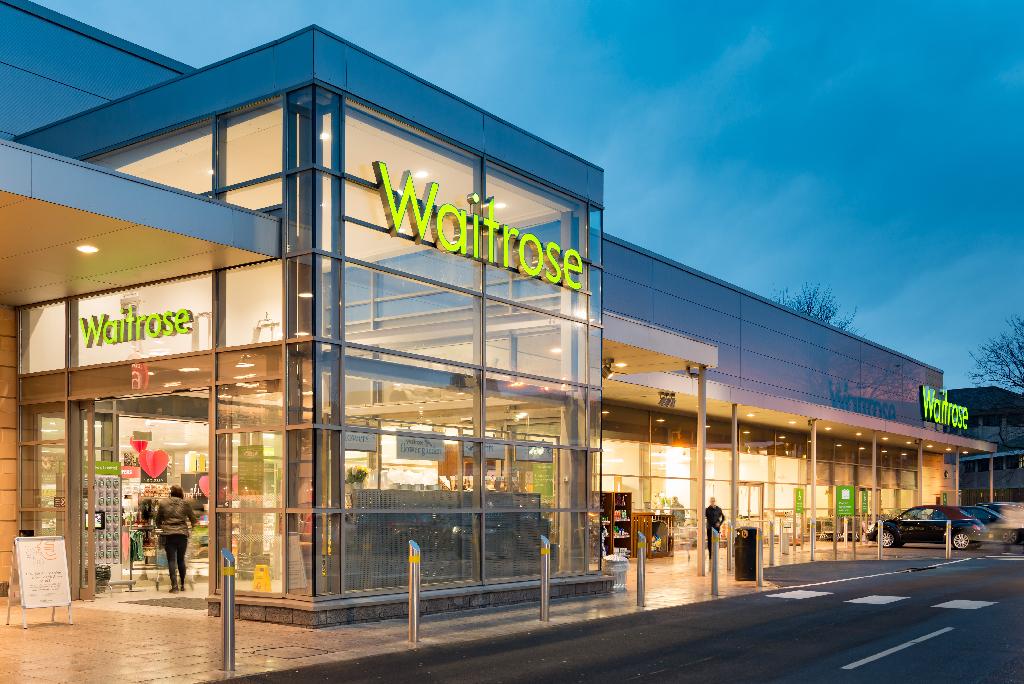
‘Conflict’ furore after M&S adviser worked for Waitrose on Ocado deal. Marks & Spencer Group (MKS) main adviser on its tie-up with Ocado Group (OCDO) was hired by arch-rival Waitrose to examine the same deal less than a year ago — raising concerns over a potential conflict of interest, the Evening Standard reveals on Tuesday. Investment bank Rothschild was M&S’s lead financial adviser on the £750 million Ocado tie-up unveiled last week. But Waitrose also hired the bank to examine the potential of a formal link between Waitrose.com and Ocado last spring. Sources at Waitrose are refusing to rule out the possibility of legal action against Rothschild after handing over fees last year. “‘Unusual’ is the word I would use — I do think it is unusual that they would have done that work for both parties,” said one source. But a second industry insider said Sir Charlie Mayfield, the chairman of Waitrose’s parent John Lewis Partnership, was “spitting feathers” over Rothschild and veteran dealmaker Nigel Higgins’s involvement. Higgins, whose name was on M&S’s deal announcement last week, is due to take over as chairman of Barclays in May.
Superdry to axe up to 200 jobs as part of £50m cost-cutting plan. Fashion brand aims to reduce headquarters staff as dispute with co-founder continues. Superdry (SDRY) is cutting about one in five jobs at its head office as the struggling fashion brand resists the return of co-founder Julian Dunkerton to steer the business. The company confirmed it had begun a consultation with staff at its Cheltenham headquarters, where it has about 1,000 staff, which could result in up to 200 job losses as part of a wider plan to cut running costs by £50m over the next three years. Euan Sutherland, the Superdry chief executive, is fighting fires on several fronts. A series of profit warnings have weighed heavily on the share price which has fallen by two-thirds over the past year while the dispute with Dunkerton has become increasingly acrimonious. On Friday the entrepreneur, who stepped back a year ago from the business he co-founded in 2003, confirmed he was forcing an extraordinary meeting to return as a non-executive director.
Debenhams could go into red after fresh profit alert. Ailing Debenhams (DEB) on Tuesday admitted it won’t make as much profit as it said it would just two months ago, casting fresh doubt over its turnaround prospects. The department store chain warned its guidance from January that it was on track to deliver profits for the year of around £8 million “is no longer valid”. It is Debenhams’ fourth profit warning in just over a year and means the company could now even plunge into the red. The retailer added that its same-store sales were down 5.3% for the 26 weeks to March 2. Debenhams secured a £40 million lifeline in February, which bought it some time to renegotiate its debt with lenders. It said today those talks “have now progressed” and expects a decision by the end of the second quarter.
Direct Line beefs up capital buffer ahead of Brexit deadline crunch. The UK’s largest car insurer Direct Line Insurance Group (DLG) beefed up Brexit contingency plans on Tuesday by putting more money aside to protect against a market meltdown. The company, which owns the Churchill and Green Flag brands, said it would raise capital buffers to a ratio of 170%, equivalent to an extra £120 million, calling it a “prudent” measure in the face of political uncertainty. The FTSE 100 giant is a significant investor in UK corporate debt and a plunge in the credit markets could hit the balance sheet. Incoming chief executive Penny James, who replaces Paul Geddes in May, said the company was “comfortable” with its Brexit preparations.
Investors in haven’t heard much good news coming down the line for at least a year. The market has been worried for a while that it won’t be able to afford to keep paying its dividend, the main reason to hold the stock given the slide in the shares. They have almost halved in the past year to levels at which, in the old days, would have seen traders on the blower to tell clients the stock was a raging buy. Today Vodafone said it would raise €4 billion (£3.4 billion) of convertible bonds to help pay for the acquisition of Liberty Global’s assets in Germany, the Czech Republic, Hungary and Romania. That increases the chances of share buybacks, traders bet. That earned Voda the rare honour, lately, of being the biggest riser on the FTSE 100, buzzing up 2.5p to 134p.
Bad news from the UK economy with the latest stats suggesting the economy is close to stalling. If that’s right, some market-watchers believe shares are well overpriced and heading one way only. Left to enjoy all this was insolvency expert Begbies Traynor Group (BEG), where the shares get going when the going gets miserable. It said a “good flow” of firms losing their shirts meant profits should be decent this year.
Walker Greenbank (WGB) today unveiled former Mulberry director Lisa Montague as its chief executive, a move it said completes “the reshaping” of the board. Montague, who was most recently at Aspinal, the leather goods outfit, has “particular strengths in brand development, commercial strategy and international growth”, said chairman Christopher Rogers
Gambling firm GVC Holdings (GVC) said 2018 was a ‘transformational’ year thanks to its acquisition of Ladbrokes and its joint venture with MGM resorts in the US as it posted rising full-year sales and profits. But the group, which also owns Bwin and Party Poker, reiterated it will close around 1,000 shops in the UK due to the new £2 limit on fixed-odds betting terminals, down from £100, which takes effect in April. GVC said net gaming revenues increased 9% to £3.6billion on a pro-forma basis, as strong growth in its online gambling business offset declines in UK shops. Underlying cash profits came in slightly ahead of the guidance range at £755.3million, and the group says 2019 has started well. Online net revenue saw strong growth at 19%, thanks to a ‘particularly pleasing’ performance in its Ladbrokes Coral UK online brands – although UK retail sales fell 3%.
Services sector saves stalling economy. UK growth came close to stalling in February despite a slight rebound in the powerhouse services sector that gave the pound a lift, according to a key survey. The full monthly set of purchasing managers indices, a key barometer of private sector activity, suggested that the economy has slowed from 0.2% growth in the final quarter of 2018 to only 0.1% and employment is falling at the fastest rate in nine years. New orders fell for a second month running. The PMIs, a closely followed early economic indicator, have deteriorated sharply in recent months. Activity in both manufacturing and construction slowed in February and services, which accounts for four fifths of national output, was expected to follow suit in today’s release. Instead, February’s services PMIs jumped from a two-and-a-half year low of 50.1, where 50 separates growth from contraction, to 51.3. The rebound, which beat forecasts for a decline, helped sterling edge a little higher before persistent concerns about Brexit dragged the pound back down.
The sales slide at Sainsbury (J) (SBRY) has accelerated, piling pressure on chief executive Mike Coupe in the wake of the competition watchdog appearing to scupper its merger with Asda in doubt. The supermarket posted a 1% fall in sales in the 12 weeks to Feb 24 compared to the same period in 2018, according to new figures from Kantar Worldpanel, giving it a 15.7% market share. That was worse than the 0.3% decline for the 12 weeks to Jan 27, when Sainsbury’s had a market share of 15.9%. Mr Coupe’s future as Sainsbury’s boss was thrown into doubt last week when the Competition and Markets Authority said the proposed £12bn merger could lead to higher prices for consumers.
The boss of Phoenix Group Holdings (DI) (PHNX) said he was hungry for more deals after last year’s £3.2bn takeover of Standard Life Aberdeen’s insurance arm boosted the business more than expected. Phoenix, which specialises in closed books of business or “zombie” funds, said it now expected to generate £1.2bn in savings from the deal compared to the £720m initially expected. The FTSE 250 company almost doubled in size as a result of the acquisition. Chief executive Clive Bannister said the cost savings had not come from a “great big elimination of human beings” but natural attrition and changes to technology.
The rise of the “sharing economy” has helped equipment rental giant Ashtead Group (AHT) post another quarter of surging profits and revenues. The FTSE 100 company leases leasing everything from Portakabins to diggers though its A-Plant division in the UK and Sunbelt in America. Geoff Drabble, chief executive, said Ashtead had benefited from the “big structural change” of renting rather than buying. “Technology has moved on, which has made renting far more reliable and predictable,” he said. “That speed in transactions, together with the growth and scale in the availability of equipment, has made rental a more reliable proposition.”