
Below are the key headlines from this afternoons press - see the full Press section here.
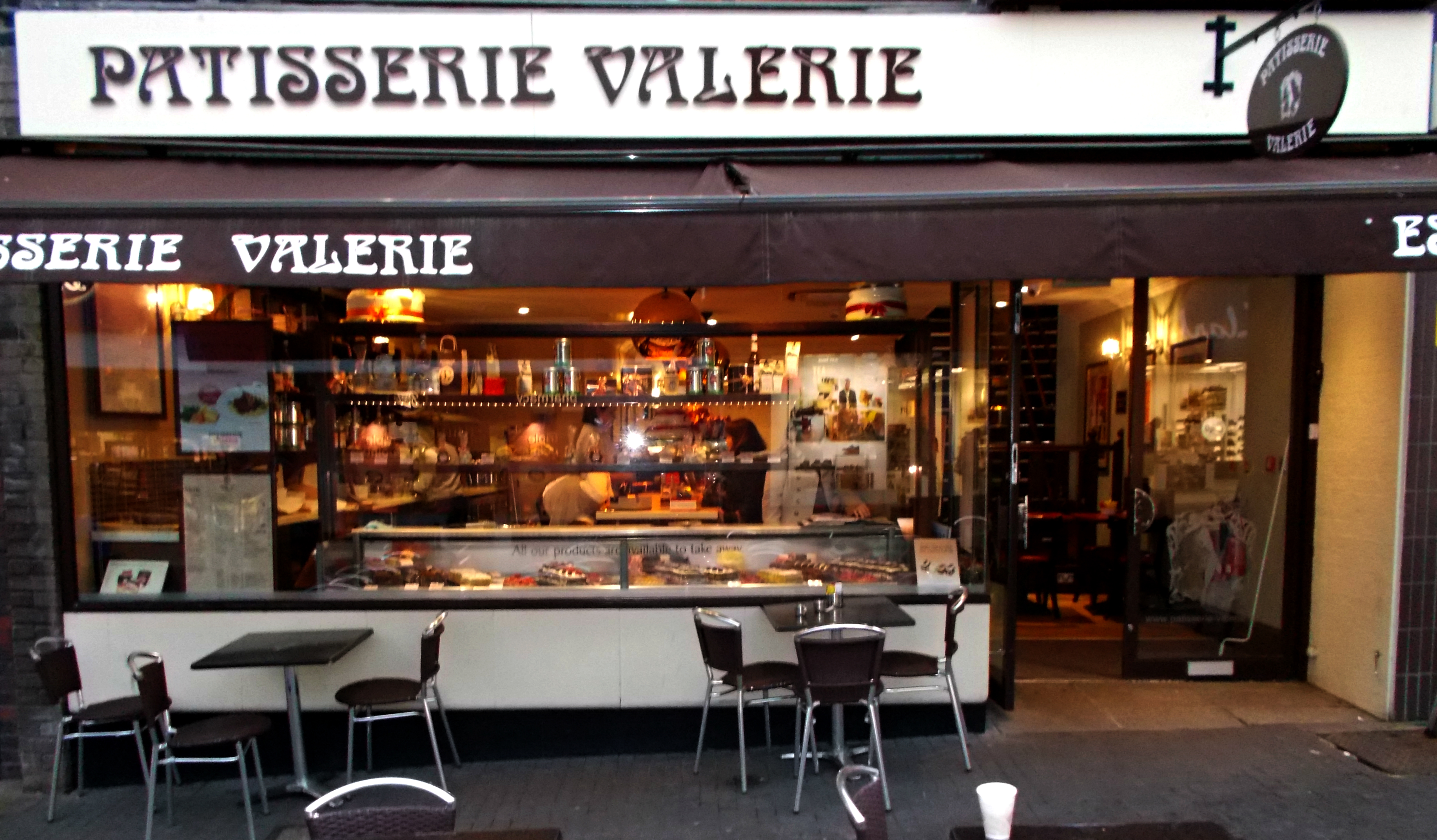
Patisserie Valerie seals rescue as Luke Johnson reveals it was ‘three hours from going bust’. Patisserie Holdings (CAKE) has secured shareholder approval for a vital bailout at a stormy general meeting where bosses were given a tongue-lashing for refusing to elaborate on the company’s precarious finances. Speaking at a meeting to sign off the £15m rescue deal, executive chairman and serial entrepreneur Luke Johnson admitted the company was “three hours from going into bankruptcy”. The cake and coffee chain shocked investors three weeks ago, admitting a £40m black hole had opened up in its finances and warning of “significant, potentially fraudulent accounting irregularities”.
Sterling surges as Britain closes in on EU deal and rates stay on hold. Sterling spiked on Thursday after the Bank of England signalled faster rate hikes on a smooth Brexit and hopes rose the UK was on course to maintain City of London access to the EU. The pound, which hit a two-month low in the week, rallied strongly against the dollar after the Bank sounded more hawkish on the rate rises in future if Brexit goes to plan. The pound rose 1.39 cents against the dollar to $1.2892 and half a cent against the euro at €1.1331
BT’s restructuring efforts begin to bear fruit with profit hike. BT Group (BT.A) reported a 24% surge in its half-year pre-tax profits to £1.34bn, driven by a higher volume and mix of high-end smartphones at its consumer business EE and restructuring-related cost savings. Revenues fell 2% to £11.bn in the six months to September 30 due to regulated price reductions in its broadband network unit Openreach and a decline in the enterprise business, which serves business customers and firms in the public sector. The company said it expects full year guidance to now be in the upper half of its £7.3bn to £7.4bn range.
Higher oil prices power Shell’s cash pile to 10-year highs. Surging oil prices have driven soaring profits at Royal Dutch Shell ‘B’ (RDSB) , prompting it to reward investors with the second part of a share buyback scheme. The company reported cashflow of $14.7bn (£11.4bn) in the three months to the end of September – the highest level since the second quarter of 2008. Cashflow is the amount left over after expenses. The milestone resulted in profit for the last three months of $5.6bn, up 37% from the year before. Shell’s profits are its highest for a quarter in the last four years, but still narrowly missed the expectations of industry analysts, who had predicted $5.76bn.
Sales surge at Just Eat but investments weigh on profit. A rising demand for takeaways and the acquisition of rival Hungry House sent sales at food delivery business Just Eat (JE.) surging above expectations in the three months to Sept 30. Sales rose 41% to £195.3m over the period, as the company served 54.7m takeaways in the quarter. Just East said full-year revenues would be towards the top end of its £740m to £770m range. But the FTSE 100 company warned that the cost of investments in Brazil and Mexico would weigh on full-year profits, which are likely to be at the lower end of the £165m to £185m forecasts. The results were enough to whet investor appetite as shares jumped more than 5.5% to 641.20pc in morning trade.
Morgan Sindall shrugs off construction turbulence to predict record profits. The boss of construction giant Morgan Sindall Group (MGNS) shrugged off turbulence in the sector, insisting it was on track to post record revenues and profits despite a slump in forward orders. The company, whose work ranges from fitting out City offices to building affordable housing and railway tunnels, told investors that trading in the second half of its financial year had “remained strong” and it would end the year with a better than expected cash position. John Morgan, who started the company in 1977 and remains chief executive, said it was standing out in what had been an otherwise “gloomy” sector.
Carpetright claims turnaround on track as store closures hit sales. Sales continued to fall at Carpetright (CPR) in the six months to Oct 27 as the struggling retailer closed scores of stores as part of a major restructure. The flooring-to-beds company shut 65 underperforming stores in the UK and two in Europe, with a further six expected to close before the end of the year. It said like-for-like performance remained negative over the period as forecast, but declined to give solid numbers. It claimed that there was an “improvement in the trend” as the restructuring took effect.
Babcock confirms closure of Appledore shipyard despite £60m rescue offer. Engineer Babcock International Group (BAB) has confirmed the closure of the Appledore shipyard in north Devon, despite the offer of a £60m rescue package by the Ministry of Defence (MoD). The shipyard, which employs 200 workers, is the last survivor of a centuries-old tradition of shipbuilding on the north Devon estuary. Thousands of protesters last week marched to save the yard from closure and a petition signed by 8,000 people was handed to the House of Commons. But on Thursday Babcock said it had taken the “difficult decision” to close Appledore yard in March next year.
Royal Bank of Scotland signalled an end to its controversial “lobo” loans taken out by UK councils by allowing one of the biggest borrowers to pay back its debt early, the Standard can reveal. Kent County Council, which took out £60 million worth of Royal Bank of Scotland Group (RBS) lobo between 2008 and 2011, repaid the expensive loan early on October 1 after the bank indicated it wanted to remove the loans from its balance sheet. The long-term debt, which carried a 4% interest rate over the next 50 years, has been paid back by using a shorter-term government loan charging around 2.5%. Kent will pay a £13.4 million premium to escape the contract, which can be written off over the next 50 years.
Investors decided hip ops were in vogue on Thursday as medical products maker Smith & Nephew (SN.) said demand for artificial joints has helped sales to surge. The firm said revenue from hip implants increased 4% in the three months to September 29, led by a strong performance in the US. That was the best growth in the division for nearly a decade, according to David Adlington, healthcare analyst at JPMorgan. He said the rise was “better than expected”. Smith & Nephew’s total third-quarter revenue rose 2% to $1.2 billion (£942 million) and the company backed its full-year guidance.