
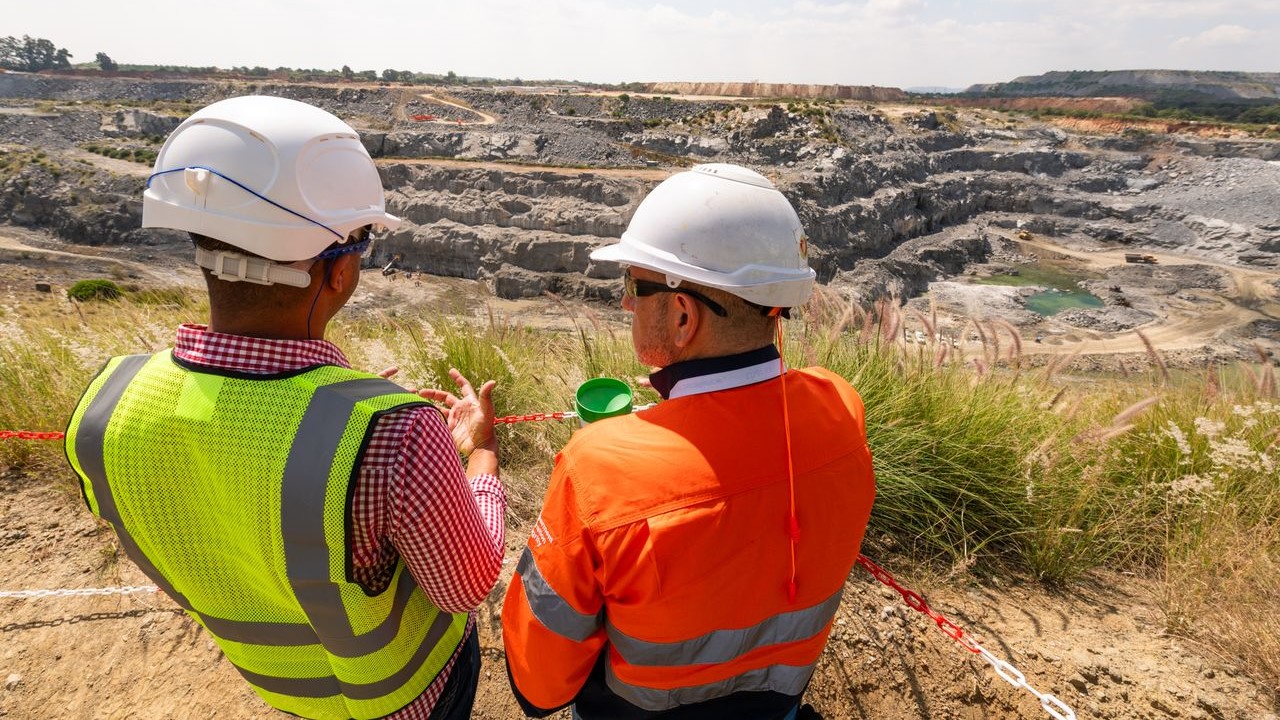

Tharisa (THS) is making strong progress at its Karo Platinum project in Zimbabwe, with construction advancing, mining contractor EPSA mobilised and key infrastructure secured, according to Vunani Securities. The broker maintained its BUY rating and a target price of R72 (72 South African Rands), implying a 185% upside to the current share price of R25.4 on the Johannesburg Stock Exchange.
Following a site visit on 14 August, Vunani said Karo's development has advanced significantly since its February visit. Design and engineering work is complete, earthworks are finished, bulk water and power are secured, while civil works are about 80% complete, procurement 70% complete and fabrication 37% complete.
EPSA has already mobilised equipment to site, with pre-stripping underway and a workshop being constructed to support the mining fleet. Meanwhile, the 2.6 million tonne per annum processing plant has its mills, steelwork and civils in place, with remaining work focused on the crushing circuit, thickeners, flotation tanks and electrical and pipe connections.
Funding remains the key near-term milestone. Tharisa had contributed US$241 million of the estimated US$543 million peak funding requirement by H1 2026, with the remaining requirement expected to include project finance, a US$37 million VFEX bond already closed and strategic investment. Vunani has incorporated more than US$200 million of additional debt funding into its model and pushed Karo's ramp-up to February 2028.
Karo Phase 1 is expected to produce 220,000-230,000 ounces of platinum group metals (PGMs) annually from four open pits over about 10 years. The longer-term Phase 2 underground development could lift production towards 380,000 ounces annually and extend the project's life by more than 50 years.
View from Vox
Vunani sees Karo as a potentially transformative asset for Tharisa, with the project set to more than double group PGM production once at steady state. The broker believes the market is currently attributing limited value to Karo during construction, while the advanced infrastructure and engineering work have materially de-risked development.