
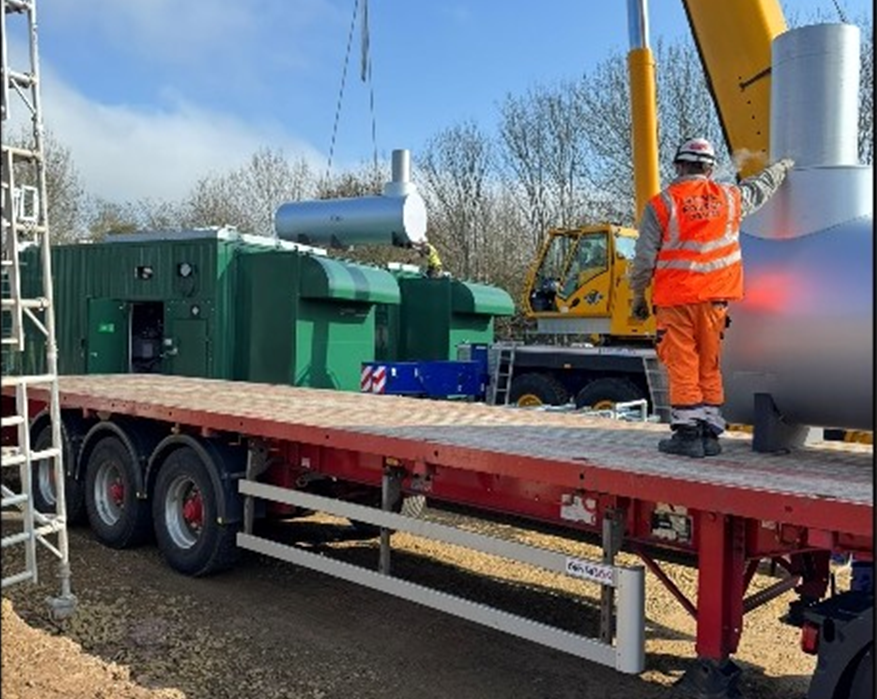

Quantum Data Energy (QDE) has reported progress on securing capital expenditure funding for its flexible generation power portfolio, while completing a £1 million equity raise to support near-term growth.
The company said it is in advanced term sheet negotiations with a UK-based institutional investor to fund its existing portfolio of flexible generation projects. The proposed financing would be structured at project level, enabling assets to move into construction and through to production, with payments linked to delivery milestones.
QDE is targeting the development of a portfolio exceeding 300 megawatts of flexible generation capacity. The company expects to finalise a binding funding agreement in the second quarter of 2026, although it cautioned there is no certainty the transaction will be completed.
Meanwhile, QDE has raised gross proceeds of £1 million through the issue of 38,461,538 new ordinary shares at 2.6 pence per share, representing a premium to its February 2026 raise.
The company said the proceeds will primarily be used to fund its equity contribution towards project construction, supporting an increase in operational megawatts. It added that existing cash reserves remain sufficient for working capital requirements.
Quantum Data Energy’s Chief Executive Officer Pieter Krügel said: “We are excited about the ongoing progress that we are making as we continue to build our portfolio of flexgen assets to our initial target of 300 MW and beyond. The Raise has been undertaken to support the expeditious completion of an immediate growth opportunity that will make a meaningful contribution to QDE’s portfolio of MWs in production. We are also working on a number of additional near term growth opportunities and look forward to updating the market with further updates in due course.”
View from Vox
This update points to steady execution as Quantum Data Energy advances both funding and project delivery in parallel. Meanwhile, securing project-level financing could reduce balance sheet strain while accelerating build-out. If the institutional funding agreement is finalised, it would represent a key step towards scaling the company’s flexible generation platform beyond its initial 300-megawatt target.