
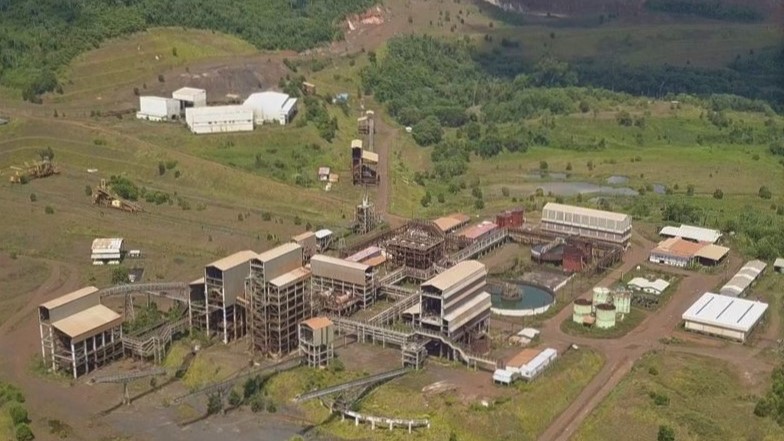

Cadence Minerals (KDNC ) is ahead of schedule with refurbishment works at the Azteca plant, part of its Amapá iron ore project in Brazil.
The company measures the refurbishment programme using weighted physical progress. This takes account of the relative size and importance of each activity and provides a clearer view of execution progress than a simple count of completed tasks.
As at 2nd July, the refurbishment programme had reached approximately 48% weighted physical progress, compared with 41% planned progress.
The company continues to target operational readiness by the end of August 2026, subject to completion of the remaining refurbishment, electrical installation, equipment connection, commissioning preparation and technical handover activities.
Commercial operations and shipments remain subject to receipt of the Operating Licence (LO). The related LO workstreams continue to progress as expected.
The current schedule tracks 64 activities, of which 21 have been completed, 10 are in progress and 33 have not yet started.
The hopper is approximately 83% complete, the conveyor system is approximately 79% complete and the screen is approximately 69% complete.
Magnetic separation is approximately 35% complete and the electrical system is approximately 23% complete.
"Azteca has moved from planning into measurable site execution,” said Kiran Morzaria, chief executive of Cadence.
“The current progress is encouraging and reflects the benefit of the preparation completed before mobilisation. The plant is now advancing through the workstreams that matter: refurbishment, electrical installation, operational readiness and the regulatory pathway to commercial operations. Azteca remains the practical first step in bringing Amapá back into production. The focus is on disciplined delivery, schedule control and converting execution progress into the operating platform for the wider project."
View from Vox
Azteca is designed to provide near-term cashflow for Cadence as it moves towards the much larger development of the wider Amapá project. So far, so good. The company has made significant progress on the ground, and once it’s in receipt of the operating licence looks likely to be up and running within a matter of weeks. This is no small achievement. But it’s only the first step on a much longer journey.