

Broker SP Angel has released a research note in which it values Quantum Helium (QHE ) at 6p per share.
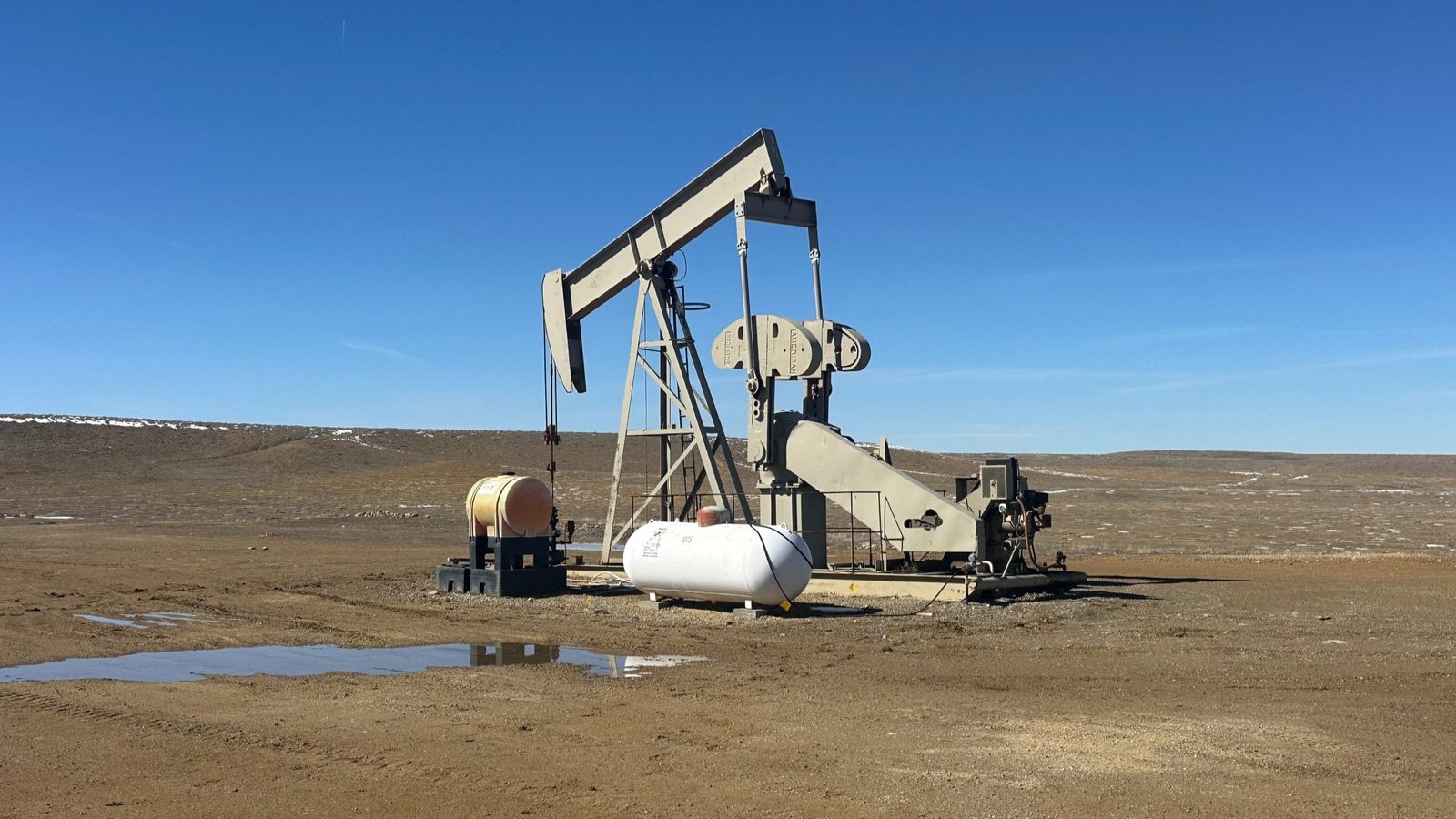
Quantum Helium is currently in the process of developing its Coyote Wash and Sagebrush helium assets in Colorado.
“We value Quantum using a similar approach to all of our energy companies, with risk-adjusted net asset value of all of its key assets as the primary valuation metric,” said SP Angel.
“We typically do this by modelling a discounted cash flow of the key assets in detail, taking the company’s net effective interest and applying a risk factor. We think it is useful for investors to think of Quantum’s asset base in terms of what can already be considered as commercial (e.g. producing oil reserves at Sagebrush) and what still has to be de-risked by further drilling (Coyote Wash North helium exploration prospect).”
The brokers comments come after Quantum completed a detailed technical review of data at Sagebrush which indicated that further fracture stimulation could improve reservoir connectivity.
The plan is to test that theory out in the fourth quarter of this year, ahead of a broader drilling programme planned for 2027.
SP Angel also noted that Quantum Helium has £5.5 million in cash and no debt.
“The risked NAV includes several helium and oil-prone targets that can de derisked through drilling and testing,” said SP Angel.
“Based on our estimates, today’s equity market capitalisation or market ‘worth’ of the company, based on a share price of 1.6p per share, falls well short of and does not reflect our long-term risked valuation. We estimate over 250% of near-term potential upside to our risked NAV of 6p per share.”
View from Vox
There’s everything to play for at Quantum Helium at the moment. Much successful work has already been done, there’s cash in the bank and a certain amount of cashflow too, from existing oil production. We know too that there’s a significant amount of helium in the ground on Quantum’s Colorado licenses. The question is: how much can be got out and to what economic advantage? At this stage, the benefits to the company look to be considerable. But there’s still much work to be done.