

Blencowe Resources (BRES ) has highlighted the recent determination by the US Department of Commerce imposing aggregate antidumping and countervailing duties (AD/CVD) of approximately 160% on graphite active anode material imports from China, subject to a final affirmative determination by the US International Trade Commission expected in March 2026.
The measures, if affirmed, are expected to apply for a minimum period of five years and are in addition to existing US trade tariffs.
The ruling represents a significant structural shift in the competitive dynamics of the global graphite supply chain and is expected materially to increase the landed cost of Chinese-origin active anode material into the United States, subject to final determination.
The imposition of AD/CVD measures at this scale reinforces the accelerating policy-driven transition toward secure, diversified, non-China graphite supply chains across both battery and advanced industrial markets.
As Western governments seek to support domestic and allied processing capacity, the importance of scalable, high-quality upstream graphite feedstock outside China becomes increasingly strategic.
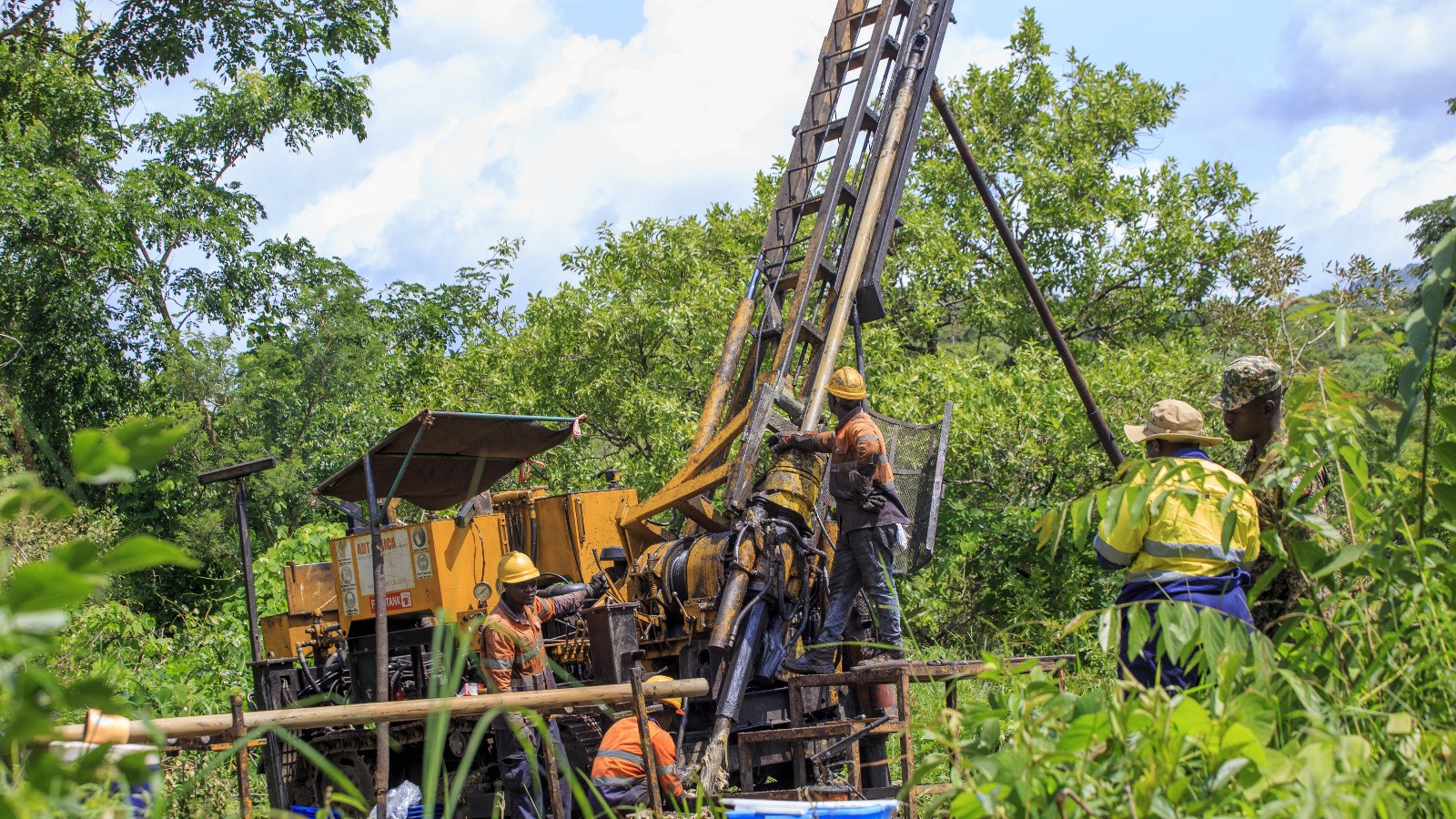
It’s in this context that Blencowe's Orom-Cross project in Uganda is advancing as a large-scale, long-life graphite development.
Ongoing resource definition at the Iyan and Beehive deposits at Orom-Cross is building toward updated JORC resource statements designed to support long-term development planning.
Blencowe is currently progressing funding and offtake discussions in parallel with continued resource growth and technical advancement.
"The scale of the US AD/CVD measures highlights the structural realignment now underway in the graphite market,” said Cameron Pearce, Blencowe’s executive chairman.
“As trade policy reshapes supply chain economics, secure upstream graphite supply outside China becomes increasingly critical. Orom-Cross is being developed as a scalable, long-life graphite platform capable of supporting both battery and advanced industrial applications. As we continue to expand the resource base and progress funding discussions, the broader policy environment is moving firmly in favour of projects such as ours."
View from Vox
The economic case for Orom-Cross continues to look compelling, even as the resource base looks set to grow further. Financing talks are in train, and against the backdrop of these latest measures from the US government it wouldn’t be surprising to see a favourable outcome soon.